How Bollywood Brought the Saree and Kurta Set Back Into Everyday Wardrobes
For a long time, the saree on screen meant a wedding scene or a song sequence in a chiffon dream. It was […]

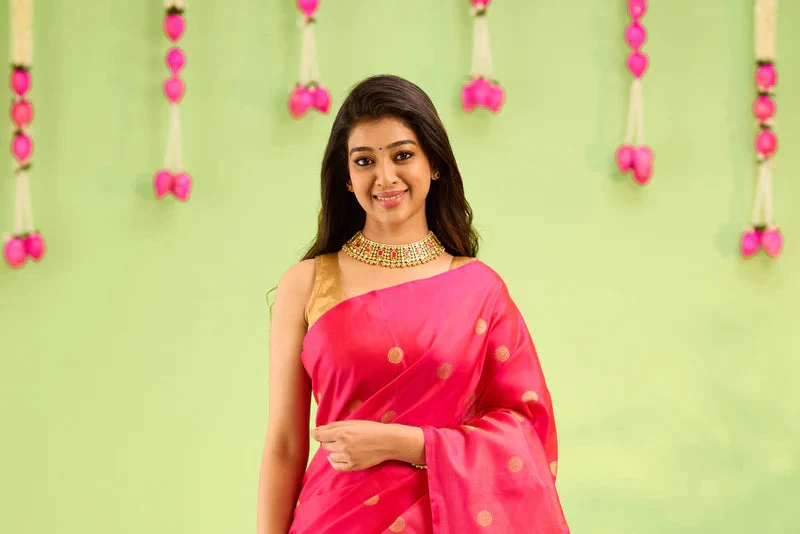
For a long time, the saree on screen meant a wedding scene or a song sequence in a chiffon dream. It was […]
For a long time, the saree on screen meant a wedding scene or a song sequence in a chiffon dream. It was glamorous, but it was never really about how people lived. Then filmmakers began writing women who worked, taught, designed and commuted, and the clothes started to change with them.
That shift matters, because film remains one of the strongest influences on what people want to wear. Here is how Bollywood saree styles moved from occasion dressing to everyday life.
Period dramas and the pull of heritage weaves
Historical films have long showcased heavy Kanjeevarams and intricately woven Banarasis, and these costume choices tend to spark real curiosity about the weaves themselves. Viewers see the fall of a silk saree on a large screen and start looking for something similar for their own celebrations. Regional weaves such as the Paithani, often called the queen of silks, benefit from that attention too.
Main Hoon Na and the saree as everyday elegance
Sushmita Sen’s portrayal of a college professor in Main Hoon Na is often remembered as a turning point. The saree was elegant, but it was also plainly part of her working day. It looked approachable and aspirational at once, and it showed a generation that a drape could belong in a classroom as easily as at a wedding.
That spirit translates well into lightweight handloom. A piece like this pure linen Tussar saree with a woven palla has the breathable structure and graceful drape that suit long workdays and daytime events while keeping the classic character of a handloom saree.
Piku and the rise of the everyday kurta
If Main Hoon Na reshaped the saree, Piku changed how people saw the kurta. Deepika Padukone’s character, an architect juggling work, family and city life, wore relaxed, practical silhouettes that felt real. Her wardrobe resonated with working women because it put comfort first without giving up style, and it helped normalise the idea that professional dressing did not need to be restrictive.
The same thinking now appears in cotton kurta sets with handblock prints, worn with palazzos and flats. They seem within reach because they start from comfort.
Celebrity looks, daytime fabrics
Red carpets and promotional events have a similar effect. When actresses choose a crisp Chanderi for a daytime appearance, or a Paithani for a festive one, they send a clear message: heritage and glamour can coexist. The takeaway for the rest of us is that you do not need heavy embellishment to look polished.
Bollywood saree styles worth borrowing, without the costume budget
The easiest way to borrow from cinema is to focus on fabric and fit rather than copy one outfit. Natural, breathable cloth outlasts and outperforms synthetic lookalikes of film costumes in Indian weather. Starting with a few well chosen handloom sarees and some simple cotton kurta sets gives you the flexibility to dress up or down without reinventing your closet.
Conclusion
Cinema did not invent the everyday saree, but it gave it permission to be ordinary again. By showing women in sarees and kurtas at work and at home, films made traditional clothing feel relevant to modern life. The lesson behind the best Bollywood saree styles is a practical one: choose comfort, good fabric and a clean silhouette, and the rest takes care of itself.
Style Insight
Choose the detail that supports your routine, proportions and personal point of view.
Expert Tip
Test one variable at a time so you can see what genuinely improves the result.
Shopping Advice
Compare usefulness, finish and longevity before paying for novelty or packaging.
The best choice is the one that moves naturally through your life.
Keep the advice that is clear, repeatable and aligned with your needs. Luxury is not complication; it is confidence without friction.

Admin
StylePointOnline publishes refined beauty, fashion and shopping guidance with a focus on clarity, practicality and lasting value.
View more edits →Continue through the collection.
Cotton Sarees for Women: Easy Ways to Style Them for Every Occasion
Read the edit →
Simple Ways to Dress Up for Indian Occasions Without Overthinking Your Outfit
Read the edit →